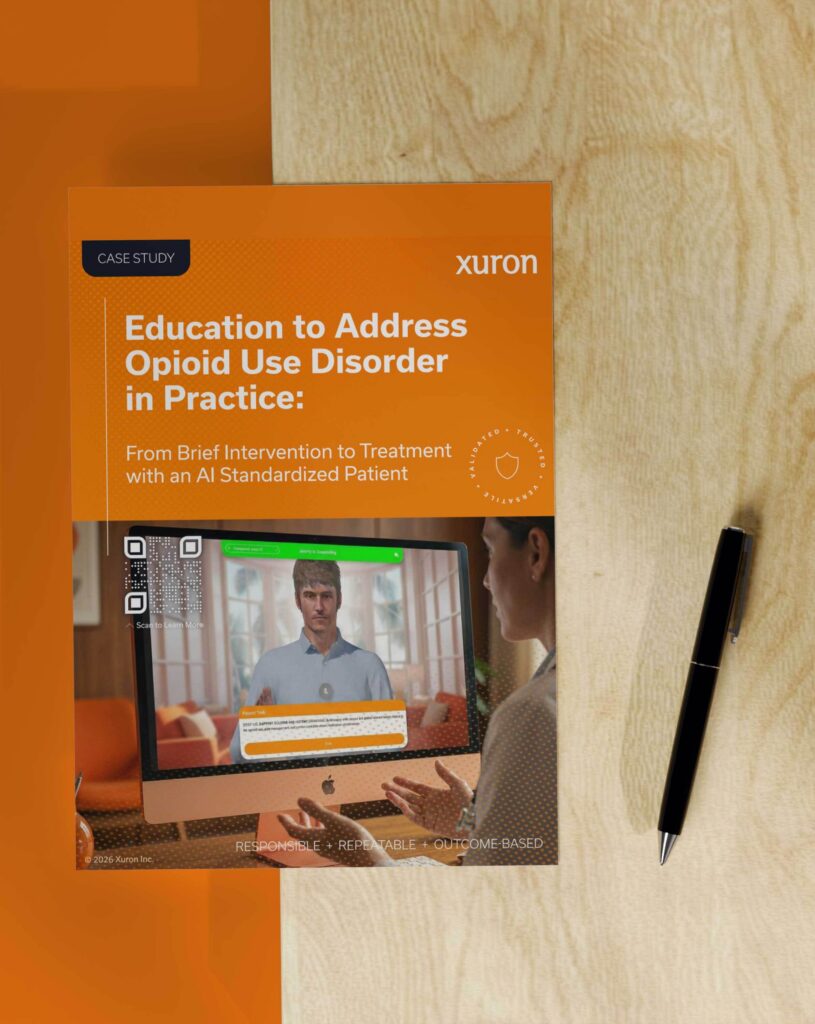
Education to Address Opioid Use Disorder

Modernizing Opioid Education with AI Virtual Patients

Pri-Med
Circular emblem showing a white shield icon surrounded by the words “Validated, Trusted, Proven, AI”
Featured in the ACEhp Almanac

MEASURABLE IMPROVEMENT

Challenge

The opioid epidemic requires clinicians to master complex, emotionally charged conversations. Traditional passive learning (lectures, reading) delivers information but leaves a critical gap in confidence. Knowing the guidelines is not the same as using them with a real patient.

Solution

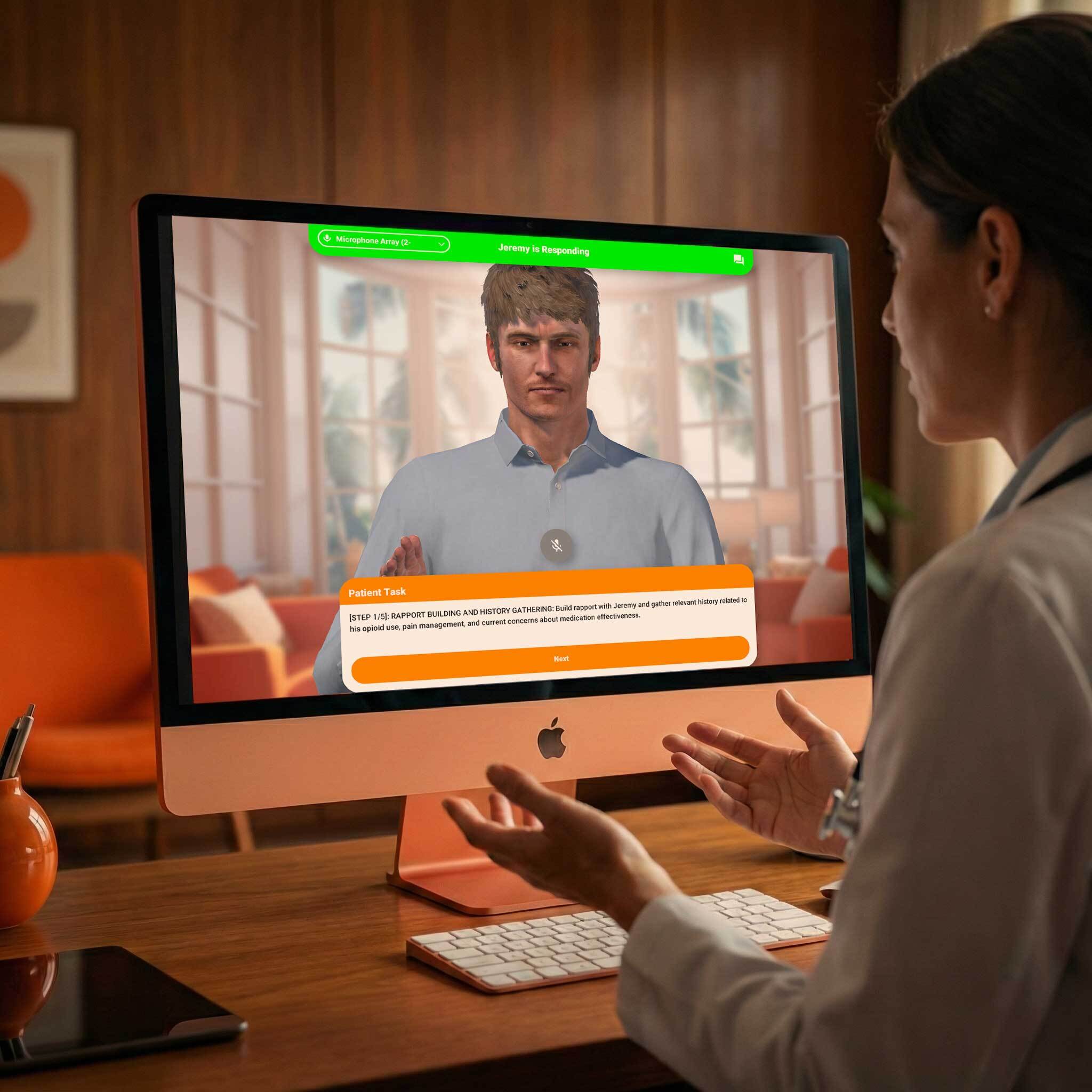
Part 4 of a REMS-aligned curriculum featured ‘Jeremy Thompson,’ an AI virtual patient. Learners engaged in realistic, open-ended dialogue to practice screening, diagnosis, and medication for opioid use disorder (MOUD) initiation in a risk-free environment, receiving immediate feedback on their clinical judgment.


390

Learners

FDA

Required

SEE THE DIFFERENCE

Outcomes

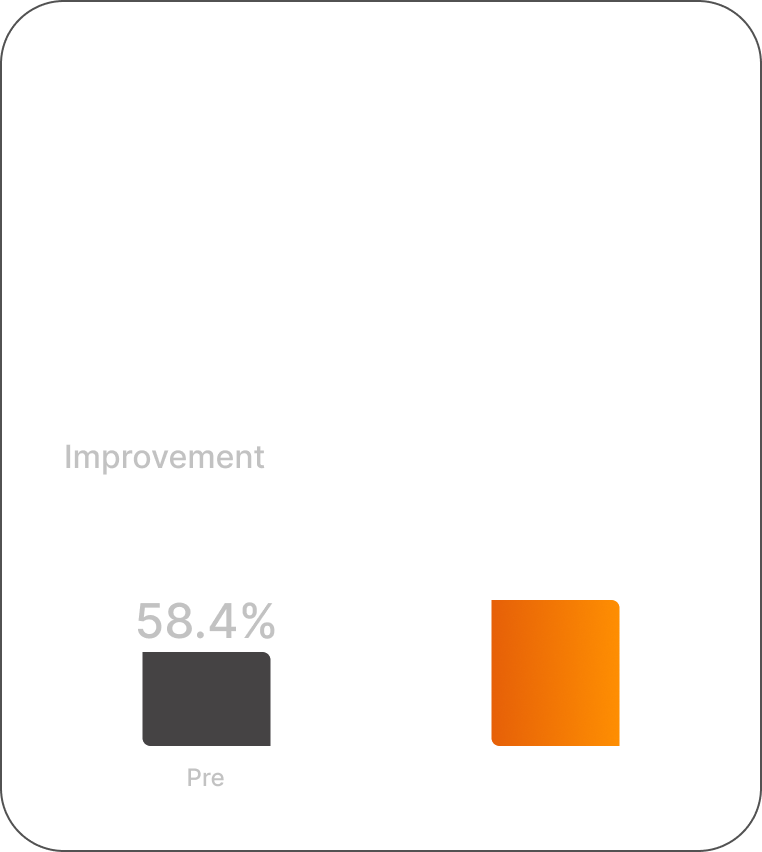
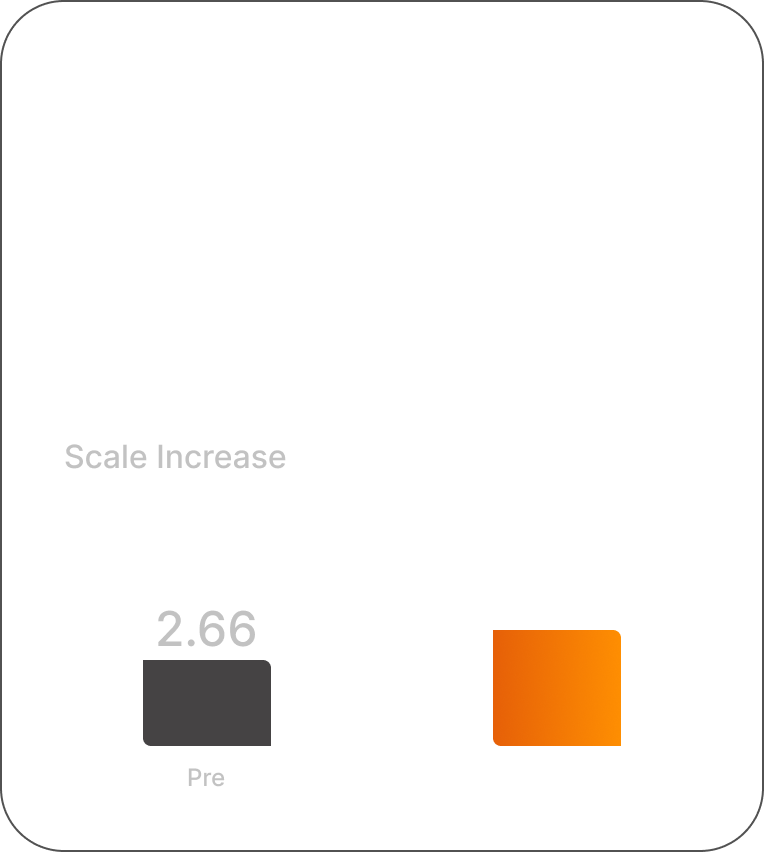
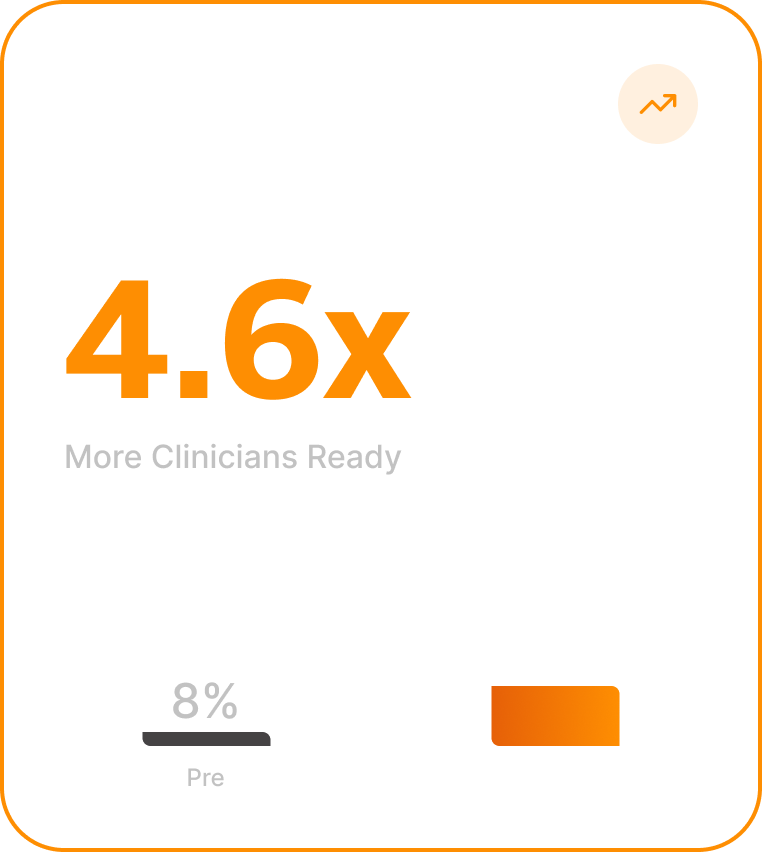
Knowledge and confidence improved in parallel, with the most dramatic shifts occurring in high-confidence ratings.

Meet Jeremy Thompson

34-year-old warehouse supervisor presenting with chronic back pain, reporting his medication ‘isn’t lasting the whole month.’

  • Assessed rapport building & history gathering
  • Tested DSM-5 diagnostic assessment
  • Practiced brief intervention & MOUD discussion

Closing Specific Skill Gaps

The simulation targeted three critical areas of OUD care. In every category, learners demonstrated significant improvements in correctly identifying clinical next steps.

screening orange

Behavioral Intent

35.6% of learners reported they were Likely or Very Likely to offer same-day buprenorphine treatment after the session.

Improvement

ekg orange

DSM-5 Diagnosis

Recognizing criteria for mild OUD (≥2 criteria).

Improvement

pill orange

Clinical Action

Using motivational interviewing with same-day buprenorphine treatment.

Improvement

Delivered Impact

people orange on grey rounded corners bkgd

Behavioral Intent

35.6% of learners reported they were Likely or Very Likely to offer same-day buprenorphine treatment after the session.

star orange on grey rounded corners bkgd

Learner Value

51.6% rated the simulation as Very or Extremely Valuable, with another 33.8% rating it Moderately Valuable.

shield orange on grey rounded corners bkgd

Safe Practice

62.5% of written comments were positive, emphasizing the realism and the safety of practicing difficult conversations.

Why it Matters

Education without practice leaves a gap. This case study shows how AI virtual patients provide a safe place to navigate complex, emotionally charged conversations—bridging the divide between CME requirements and real-world clinical readiness.

Get the Report

Download the comprehensive analysis covering the impact of AI simulation on prescriber competence, confidence, and clinical skills in opioid use disorder care.

What’s Inside:
  • Study methodology and learner demographics (n=390)
  • Pre/post data on knowledge and confidence gains
  • Analysis of clinical performance by simulation step
  • Insights on screening, diagnosis, and MOUD initiation
  • Learner sentiment and behavioral intent metrics
  • Discussion on bridging the gap between education and practice

Leverage Xuron for Real Impact.

Made with 🖤 on Music Row in Nashville

© Xuron Inc. All rights reserved.