Pri-Med + Xuron Case Study

Transforming Obesity Care Through AI-Powered Motivational Interviewing Simulation

Pri-Med
Circular emblem showing a white shield icon surrounded by the words “Validated, Trusted, Proven, AI”

FINDING CRITICAL OPPORTUNITIES

Challenge

Obesity conversations remain among the most challenging in primary care. Clinicians struggle with stigmatizing language, lack confidence in motivational interviewing techniques, and often avoid weight discussions entirely—missing critical opportunities for patient-centered lifestyle interventions. Traditional obesity education focuses on clinical guidelines but rarely addresses the communication skills needed to have effective, non-judgmental conversations that motivate lasting behavior change.


Solution

An interactive virtual patient simulation combining evidence-based motivational interviewing training with hands-on practice. Clinicians engage with an AI patient to practice person-first language, OARS techniques, and collaborative goal-setting—receiving immediate feedback on their communication approach.

18

Simulation Sessions

16

Unique Completers

832

Patients/ Month Impacted

208

Patients/Week Reached

EXPERIENCE SNAPSHOT

Experienced Practitioners

50% of participants had ≥20 years in practice, bringing substantial clinical experience to the simulation.

Primary Care Focus

72% physicians with 56% from family medicine, ensuring direct relevance to frontline obesity care.

Diverse Settings

Balanced representation across community hospitals (28%), private practice (28%), and other care settings.

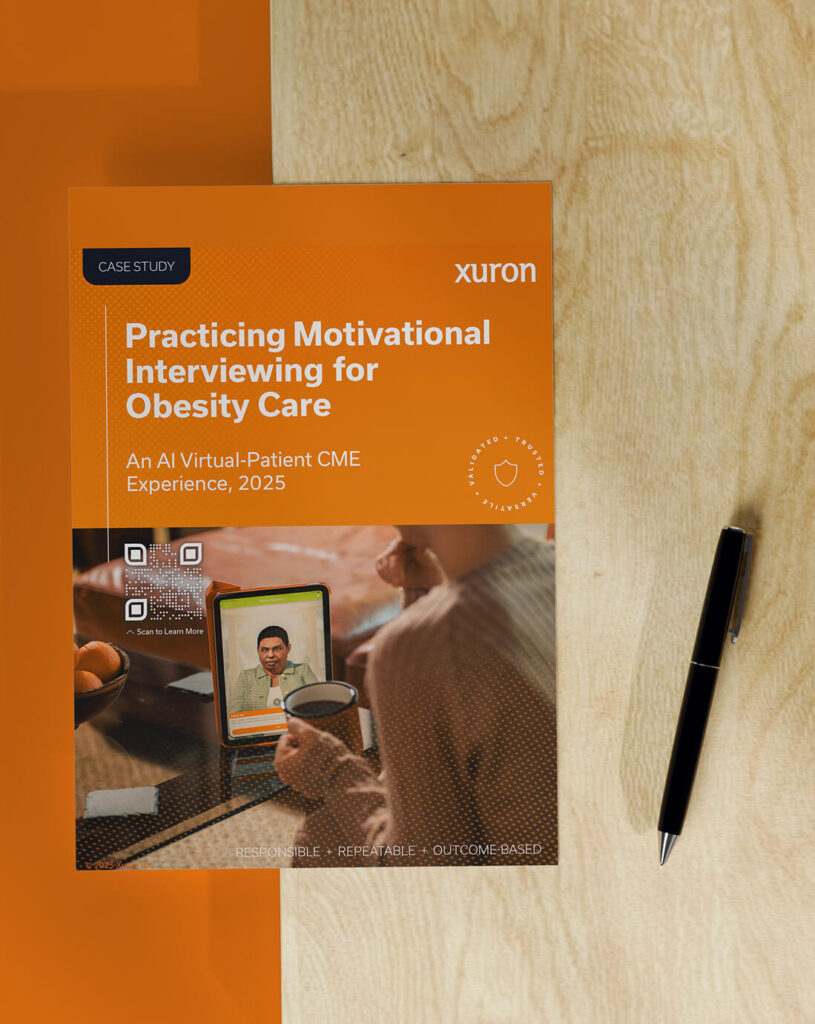
Healthcare professional using tablet to practice patient communication in obesity care training

SEE THE DIFFERENCE

Outcomes

The simulation reveals that while clinicians excel at creating structured plans and gathering information, they struggle most with connecting lifestyle changes to meaningful health benefits—a critical component of motivational interviewing that drives patient engagement and behavior change.

Knowledge and Confidence Gains

Delivered Impact

Confidence Surge

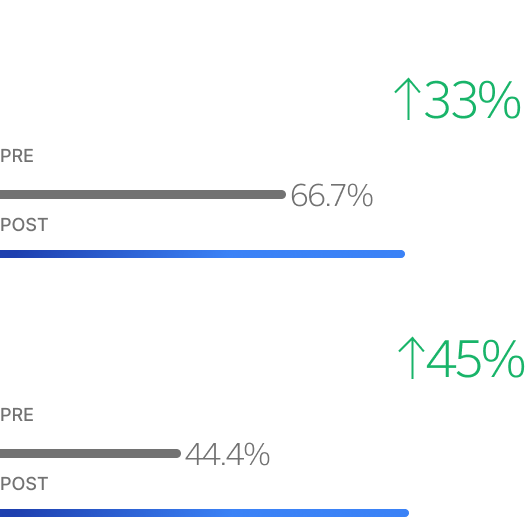
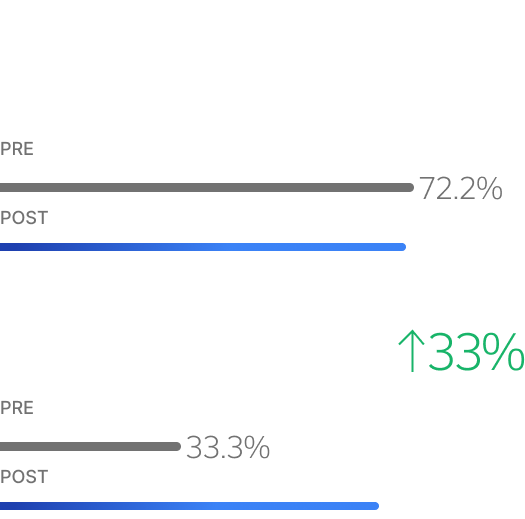
Comfort with key skills in obesity conversations rose 12–28%, with the largest jump in creating SMART plans (3.17 → 4.06 out of 5).

Skill-Specific Insights

Average simulation performance was 3.29 / 5, with strongest scores in SMART planning (3.65) and weaker scores in linking lifestyle changes to disease benefits (2.67)—giving clear, targeted coaching opportunities.

Language Mastery

Correct use of preferred, person-first terminology improved from 66.7% to 88.9%, and the share of clinicians who felt very or extremely confident using person-first language increased from 44.4% to 61.1%.

Patient Impact

Clinicians rated the simulation’s educational value at 3.89 / 5 and estimated that about 13 patients per clinician would benefit from improved obesity conversations in the following week.

Why it Matters

This AI-powered simulation transforms obesity care by building clinician confidence in person-first language and motivational interviewing techniques. The hands-on practice reveals specific skill gaps while dramatically increasing comfort levels, enabling more effective, stigma-free conversations that drive meaningful patient behavior change.

Get the Report

Download the complete case study with detailed methodology, data analysis, and implementation insights.

What’s Inside:
  • Complete methodology and participant demographics
  • Detailed statistical analysis and significance testing
  • Implementation timeline and resource requirements
  • Implementation frameworks for scaling across organizations
  • Learner feedback and qualitative insights
  • Recommendations for scaling similar programs

Leverage Xuron for Real Impact.

Made with 🖤 on Music Row in Nashville

© Xuron Inc. All rights reserved.